Skip to content
Capabilities & Engineering

AI automation scoped to one specific process you can measure, not a vague 'AI transformation.'

We start by mapping what a task actually costs you in time or errors today, then automate that specific process, lead routing, reporting, follow-up sequences, rather than selling AI as a buzzword.

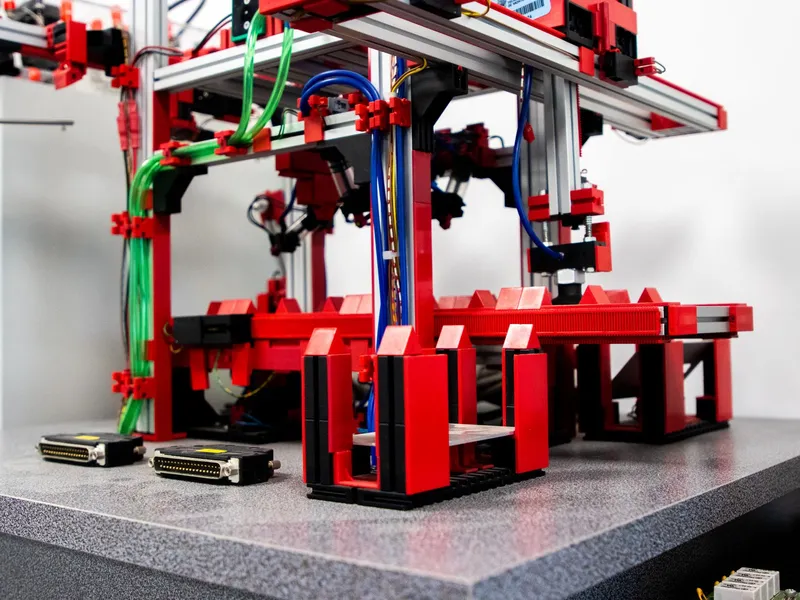
Close-up of an automated robotic machine with wiring and mechanical components

Photo: Ludovic Delot / Pexels

Founder-Led
Every automation scoped directly by Elvis Ekoigiawe
15+ years
Operating since 2011
90+
Clients served
Fit Check

Who AI Automation & Workflow Engineering Is Actually Built For

  • A business with a repetitive, rule-based task currently costing measurable time or producing measurable errors
  • A business burned by a vague "AI transformation" pitch that looked impressive in a demo and never actually got used
  • A business that wants automation tested against real, messy business data, not a clean demo scenario
  • Not the right fit for tasks requiring genuine judgment calls with no consistent pattern, we'll say so directly
Delivery Framework

How We Deliver AI Automation & Workflow Engineering

A structured, milestone-driven execution methodology, not a generic checklist reused across every service.

01

Process Mapping & Time Audit

We map the specific repetitive task in detail, every step, every handoff, how long it currently takes, and where errors or delays typically happen, before proposing any automation, since automating a badly-designed process just makes bad output happen faster.

02

Feasibility & Tool Selection

Not every process is a good automation candidate, we assess whether the task has clear, consistent rules an AI or integration tool can reliably follow, and select tooling (AI models, integration platforms like Zapier/Make, or custom scripts) based on the actual requirement, not a default stack.

03

Build & Testing

The automation gets built and tested against real historical data from your business before going live, specifically checking edge cases and failure modes, what happens when the input doesn't match the expected pattern, not just the happy path.

04

Deployment & Handoff

Once live, we document exactly how the automation works and hand off monitoring access, so you're not dependent on us to understand what's running in your own business processes.

What's Included

Every AI Automation & Workflow Engineering Engagement Includes

Process mapping & time audit

Every step, every handoff, how long it currently takes, and where errors or delays typically happen, before any automation gets proposed.

Feasibility & tool selection

An honest assessment of whether the task has consistent rules a tool can reliably follow, with tooling chosen for the actual requirement, not a default stack.

Build & testing

Tested against real historical data before going live, specifically checking edge cases and failure modes, not just the happy path.

Deployment & handoff

Documentation explaining exactly how the automation works, handed off with monitoring access, you're not dependent on us to understand your own process.

AI automation, scoped to one measurable process

If your team spends real hours every week re-entering the same data, routing the same kind of lead, or compiling the same report by hand, that’s where AI automation actually earns its cost, not a vague “AI transformation” pitch with no specific process attached. We’re not selling access to a general-purpose AI tool, we’re building automation for one specific, repetitive business process at a time.

Why scope matters more than the tool

A recurring pattern in AI automation projects that fail: a business buys into a broad “AI transformation” pitch, an agency builds something impressive-looking in a demo, and it never actually gets used because it doesn’t map to a real process with real rules the business follows day to day. This is why process mapping comes before any tool selection, we’re comfortable telling a prospective client during scoping that automation isn’t the right fix, even though that means turning down billable work.

What makes a good automation candidate

A strong candidate has consistent, describable rules, “when a lead form is submitted with budget above X, route to salesperson Y” is automatable; “use judgment to decide if this customer complaint needs escalation” usually isn’t, because it depends on nuanced context an automation will handle inconsistently.

Common automation requests we handle

Lead Routing & Follow-Up

A new qualified lead routed to the right salesperson with qualification data attached, entering an automated follow-up sequence if the first contact doesn't convert.

Report Generation

Numbers compiled from a CRM or ad account on schedule, freeing the time that used to go into manually assembling the same report every week.

Customer Follow-Up Sequences

Automated reminders, check-ins, or re-engagement messages triggered by a specific action or inactivity period, without someone manually tracking timing.

Data Entry & Synchronization

Keeping a CRM, spreadsheet, and email tool in sync without manual re-entry, a quieter but genuinely high-value category, since re-entry is a common source of data errors.

Why we test against real data, not just a demo scenario

A demo built around clean, ideal-case sample data will almost always work, that’s not a meaningful test. Real business data is messier: inconsistent formatting, missing fields, edge cases nobody thought to mention during scoping. Catching these in testing, before deployment, is the difference between an automation that quietly breaks on real-world messiness after launch and one that either handles the edge case correctly or fails visibly and flags it for a human to check.

Nigeria’s National Artificial Intelligence Strategy, published by NITDA, reflects the same practical framing we apply here, AI adoption that solves specific, defined problems rather than a vague mandate to “adopt AI.” If lead routing specifically is what you’re after, see our Lead Generation page for how the two connect.

Start With the Process, Not the Technology

Tell us about the specific repetitive task costing you time or causing errors, that’s the starting point, not a conversation about which AI tools to buy.

The Real Difference

What Makes This Different From a Generic AI Automation & Workflow Engineering Package

We turn down badly-scoped automation

Even though it means declining billable work, an automation that gets abandoned within weeks is a worse outcome for everyone than an honest "this isn't ready to automate yet" at the start.

Tested against real, messy data

A demo built on clean sample data will almost always work, that's not a meaningful test. We test against your actual historical data, inconsistent formatting and all.

Documentation you can actually use

Written for a non-technical business owner, not a developer, so you're not locked out of understanding what's running inside your own process.

Transparent Scoping

How We Price AI Automation & Workflow Engineering

We don't publish a flat package price, because a flat price for every client would mean either overcharging the simple engagements or underscoping the complex ones. What we do instead: a free audit first, then a written quote based on what your site and market actually require. No cookie-cutter tiers, no hidden fees added after you've signed.

Cost depends on the complexity of the process being automated and which tools it requires, a straightforward lead-routing automation costs less than a multi-step workflow integrating several systems.

Process complexity

How many systems need to connect and how many steps the workflow spans affects both build time and testing scope.

Tooling required

An integration platform connecting existing tools is a different scope than an AI model handling language tasks or a custom script.

Testing depth needed

How many real-world edge cases and failure modes need to be validated before the automation is trusted to run unsupervised.

Get a Free Audit & Written Quote No obligation. No sales script.

Outside Nigeria?

We deliver ai automation & workflow engineering for international clients too

English-fluent, senior-led delivery for businesses in Europe, North America, and beyond, backed by real platform builds for clients in Geneva, Amsterdam, and London.

See International Client Work →
Direct Answers

Frequently Asked Questions: AI Automation & Workflow Engineering

How It Works

What does 'AI automation' actually mean in practice?

It means using AI models and integration tooling to handle a specific, repetitive business task automatically, routing a new lead to the right salesperson with qualification data attached, generating a weekly report from your CRM data, or sending automated follow-up sequences, rather than a person manually doing that same task every time it occurs.

How do I know if a process in my business is a good candidate for automation?

A good candidate is repetitive, follows consistent rules, and currently costs measurable time or produces measurable errors when done manually. A process that requires genuine judgment call after judgment call, with no consistent pattern, is a poor automation candidate, we'll tell you directly if what you're asking about doesn't fit rather than force-fitting a bad automation.

Will AI automation replace my staff?

The engagements we take on typically free staff from repetitive manual tasks (data entry, routing, report generation) so they can focus on work that requires human judgment, rather than eliminating roles outright, this depends entirely on your specific process and goals, and we scope based on what you're actually trying to achieve, not a default assumption either way.

What tools do you use for automation?

Selection depends on the specific requirement, integration platforms like Zapier or Make for connecting existing tools without custom code, AI models for tasks requiring language understanding or generation, and custom scripts for requirements those platforms can't handle. We choose based on what the task actually needs, not a fixed default stack.

What happens if the automation makes a mistake?

We test against real historical data and edge cases before any automation goes live specifically to catch failure modes in advance, and we build in monitoring and clear failure states (the automation stops and flags an issue rather than silently producing bad output) rather than deploying and hoping it works correctly indefinitely.

What's the difference between AI automation and an AI chatbot?

AI automation covers backend business processes (routing, reporting, data processing) that typically don't involve a customer-facing conversation; an AI chatbot is a customer-facing conversational tool answering questions or handling inquiries directly. See our dedicated AI Chatbot service page if that's specifically what you need rather than backend process automation.

How do you measure whether an automation is actually saving time or money?

We establish the baseline (current time or error cost) during the process mapping stage, then measure against that same baseline after deployment, a concrete before/after comparison specific to your process, not a generic industry efficiency-gain estimate that may not reflect your actual situation.

Cost & Timeline

How much does AI automation cost?

Cost depends on the complexity of the process being automated and which tools it requires, a straightforward lead-routing automation costs less than a multi-step workflow integrating several systems. We scope this after the process mapping stage, once we understand the actual complexity, not before seeing the process in detail.

How long does it take to build an automation?

Timeline depends on process complexity and how many systems need to connect, a single-step automation connecting two tools can be built and tested within days; a multi-step workflow spanning several systems takes longer, since each connection point needs its own testing against real data and edge cases.

Specific Situations

Can you automate lead routing and follow-up specifically?

Yes, this is one of the more common automation requests we handle, closely related to our Lead Generation service: routing a new qualified lead to the right person with context attached, and triggering automated follow-up sequences for leads that haven't yet converted, so nothing goes cold sitting in an inbox.

Do I need technical staff to maintain an automation after you build it?

No, we hand off with documentation explaining exactly how the automation works and where to check if something seems off, written for a non-technical business owner, not a developer. For most integration-platform-based automations, no coding knowledge is needed to monitor or make minor adjustments after handoff.

Can automation work alongside our existing CRM or business tools?

Yes, most automations we build connect to your existing tools (CRM, spreadsheets, email, WhatsApp) rather than requiring you to adopt new software, since the goal is removing manual work from your current process, not forcing a platform migration on top of the automation itself.

Is AI automation only for large companies with big budgets?

No, a single well-chosen automation (like lead routing or report generation) can be scoped narrowly and affordably for a small business, since the cost scales with process complexity, not company size. We'd rather scope one high-value automation well than sell a large package a smaller business doesn't need.

What if the process I want automated changes over time?

Automations built on integration platforms are generally straightforward to adjust as your process evolves, and we document the build clearly enough that reasonable adjustments don't require starting over. Significant process changes may need a scoped update, which we'd assess the same way as the original build.

Do you offer ongoing support after an automation is deployed?

We hand off with documentation and can be engaged for ongoing monitoring or adjustments as a separate arrangement if you'd prefer not to manage it in-house, this gets scoped based on your preference during the deployment and handoff stage, not assumed as a default add-on.

Choosing a Provider

How do I choose an AI automation agency in Nigeria?

Ask what happens when the automation encounters an edge case it wasn't built for, an agency with no clear answer likely hasn't tested against real, messy business data, only a clean demo scenario. Ask to see how they handle failure states, not just the happy path.

Is Digital Elixir the best AI automation agency for a small business?

We're a good fit if you have one specific, repetitive process with real measurable cost, we'll tell you directly if what you're describing isn't a good automation candidate rather than taking on badly-scoped work.

Ready to talk through ai automation & workflow engineering?

Schedule a direct 45-minute session with Elvis Ekoigiawe, not a salesperson reading from a script.

  • We'll ask about your actual current setup and goals, not run a generic sales script
  • You'll leave with a specific, honest read on whether this service actually fits your situation
  • No pressure to commit on the call. If it's not a fit, we'll tell you directly