Skip to content
Capabilities & Engineering

A WordPress site that stays fast and maintainable a year after launch, not just on day one.

Every plugin we add earns its place through an actual audit against alternatives, the discipline most WordPress builds skip, and the reason most WordPress sites slow down and become hard to maintain within a year or two.

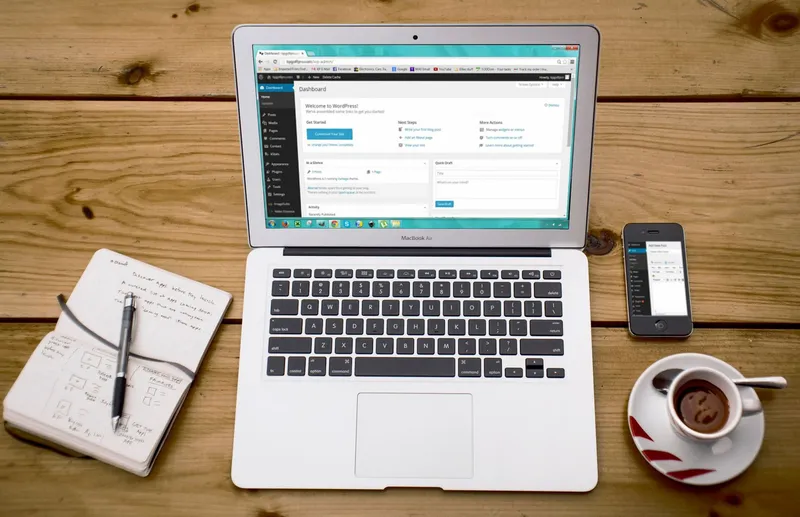
A MacBook Air open beside a smartphone, cup of tea, and notebook on a wooden desk

Photo: Pixabay / Pexels

Founder-Led
Every build run directly by Elvis Ekoigiawe
15+ years
Operating since 2011
90+
Clients served
Fit Check

Who Custom WordPress Web Development Is Actually Built For

  • A business with an existing WordPress site that's crept up to 30-40+ active plugins and slowed to a crawl
  • A business wanting self-editing flexibility without committing fully to custom-coded development
  • A business that's had a plugin update break something before and wants an actual evaluation discipline in place
  • A business wanting development, SEO, and security handled by one team with a consistent standard, not three disconnected vendors
Delivery Framework

How We Deliver Custom WordPress Web Development

A structured, milestone-driven execution methodology, not a generic checklist reused across every service.

01

Requirements & Theme Selection

We map exactly what functionality your site needs, then choose a lightweight, well-maintained theme suited to that functionality rather than a feature-heavy multipurpose theme carrying capabilities you'll never use.

02

Minimal Plugin Architecture

Every plugin gets evaluated against what it actually adds versus its performance and security cost, and we consolidate overlapping functionality into as few, well-maintained plugins as possible rather than one plugin per feature by default.

03

Build & Content Migration

The site gets built and populated with your real content, with technical SEO foundations (schema, sitemap, meta configuration) built in from the start rather than bolted on afterward.

04

Admin Training & Security Hardening

Login security, update procedures, and basic admin dashboard training are part of every handoff, so you're equipped to manage the site safely rather than left to figure out WordPress security best practices on your own.

What's Included

Every Custom WordPress Web Development Engagement Includes

Requirements & theme selection

A lightweight, well-maintained theme suited to your actual functionality, not a feature-heavy multipurpose theme carrying capabilities you'll never use.

Minimal plugin architecture

Every plugin evaluated against alternatives and consolidated wherever functionality overlaps, not accumulated one feature at a time.

Build & content migration

Technical SEO foundations, schema, sitemap, meta configuration, built in from the start, not bolted on afterward.

Admin training & security hardening

Login security, update procedures, and dashboard training specific to your site's actual content types.

WordPress development, with plugin discipline as the core difference

You want WordPress specifically, self-editing flexibility, no lock-in to one company’s platform ecosystem, but you’ve also seen what happens to WordPress sites left unmanaged for a year or two: slow, cluttered, breaking during every update. That’s not the platform’s fault. It’s what happens without plugin discipline. WordPress’s plugin ecosystem is genuinely powerful, but the typical build pattern is adding a plugin per feature request with no ongoing evaluation of whether it’s still needed or conflicting with something already installed.

Why most WordPress sites slow down over time

A WordPress site launched cleanly with five well-chosen plugins commonly ends up with thirty or forty active plugins within a couple of years of ordinary business use, each new feature request handled by installing another plugin rather than asking whether existing functionality could be extended. Each addition compounds page weight, hurting the Core Web Vitals every site we build is measured against, increases the chance of a version-conflict breaking something unrelated during an update, and expands the site’s overall attack surface.

How we evaluate a plugin before adding it

A plugin has to pass four checks before it gets installed, during the initial build, and every time afterward:

Recently Updated

An abandoned plugin is a growing security liability the longer it goes unpatched, recency of the developer's last update matters.

No Overlapping Functionality

Does another installed plugin already do this? Overlapping plugins are how a site quietly accumulates conflict points.

Measured Page-Load Impact

Actual measured effect on load time, not an assumption, a plugin that adds real weight needs to earn that cost.

No Built-In Alternative

Could the theme's own capability or a small amount of custom code meet this need instead of a full plugin?

A plugin that passes this evaluation earns its place; one that doesn’t gets built differently, met with an existing plugin’s built-in capability instead, or the request gets revisited directly with the client. A request for “just one more plugin” gets the same scrutiny in month eighteen of a maintenance relationship as it would on day one of the original build.

What this looks like when we take over an existing site

When we’re brought in to improve an existing WordPress site rather than build new, the process starts with a genuine plugin audit, cataloging what’s installed, what it’s actually doing, and where functionality overlaps or conflicts exist. A handful of patterns show up repeatedly:

A feature tested once, never used

Installed for a single test, forgotten, still running and adding weight and attack surface with zero ongoing benefit.

Two caching plugins fighting each other

Both handling the same job, actively working against each other rather than one well-configured solution doing it properly.

An old contact form plugin left active

A newer one replaced it, but nobody removed the original, still running, still a potential conflict point.

A page-builder plugin generating duplicate content

Nobody noticed the duplicate pages it was quietly creating, a real, common source of split ranking signal.

Consolidating this down to a minimal, well-understood plugin set is often the single highest-impact change we make to an underperforming existing WordPress site, frequently before any new design or content work even starts.

Common functionality we consolidate rather than stack

A few categories of functionality are particularly prone to plugin-stacking, and we actively consolidate these rather than let them accumulate. SEO functionality (meta tags, sitemaps, schema markup) belongs in exactly one plugin, not split across two competing SEO plugins that can generate conflicting output. Caching and performance functionality similarly belongs in one well-configured solution rather than multiple caching plugins fighting over the same optimization. Form handling across a site’s various contact points is consolidated into one plugin rather than a different form plugin for each individual form added over time by different people at different points in the site’s history, a pattern we see often when a site has passed through more than one developer without a shared standard carried forward. If your bottleneck is entirely on the security side rather than development, our WordPress Security service covers ongoing hardening and monitoring specifically.

Start With an Honest Plugin and Requirements Review

Whether you’re building new or want us to look at an existing WordPress site, the starting point is the same, an honest audit of what’s actually needed versus what’s accumulated.

The Real Difference

What Makes This Different From a Generic Custom WordPress Web Development Package

Plugin evaluation isn't a one-time gate

A request for 'just one more plugin' gets the same scrutiny in month eighteen of a maintenance relationship as it would on day one.

One plugin per job, never stacked

SEO, caching, and form handling each consolidated into exactly one well-configured plugin, never two competing plugins generating conflicting output.

One team, dev through security

The same team delivering development also runs WordPress SEO and Security, the plugin-discipline standard carries forward, not handed to a vendor with a different philosophy.

Transparent Scoping

How We Price Custom WordPress Web Development

We don't publish a flat package price, because a flat price for every client would mean either overcharging the simple engagements or underscoping the complex ones. What we do instead: a free audit first, then a written quote based on what your site and market actually require. No cookie-cutter tiers, no hidden fees added after you've signed.

Cost depends on page count, design complexity, and required functionality, a straightforward brochure site costs less than a full WooCommerce build with custom integrations.

Functionality complexity

E-commerce, booking systems, and custom forms each add real development scope beyond a standard content site.

Existing site condition, if migrating

A genuine plugin audit and consolidation plan takes more work on a heavily bloated existing site than a clean new build.

Content migration volume

How much existing content needs moving and restructuring affects build timeline and scope.

Get a Free Audit & Written Quote No obligation. No sales script.

Outside Nigeria?

We deliver custom wordpress web development for international clients too

English-fluent, senior-led delivery for businesses in Europe, North America, and beyond, backed by real platform builds for clients in Geneva, Amsterdam, and London.

See International Client Work →
Direct Answers

Frequently Asked Questions: Custom WordPress Web Development

How It Works

How is your WordPress development different from a typical WordPress agency?

The main difference is plugin discipline, most WordPress builds accumulate plugins one feature request at a time with no ongoing audit of whether they're still needed or conflicting with each other. We evaluate every plugin against alternatives before adding it and consolidate overlapping functionality, which is what keeps a WordPress site fast and maintainable well past launch, not just on day one.

How many plugins will my website end up with?

As few as the required functionality genuinely needs, there's no fixed number, but we actively resist adding a plugin for every individual feature request when functionality can be consolidated or built directly. A WordPress site with 40+ active plugins, which we see often in sites we're asked to fix, is almost always the result of no ongoing plugin discipline, not a genuine functionality requirement.

Will my WordPress site be secure?

We harden login security, keep the plugin count minimal (fewer plugins means a smaller attack surface), and provide guidance on update procedures at handoff, see our dedicated WordPress Security service for ongoing hardening and monitoring if that's a priority beyond the initial build. WordPress requires active security maintenance regardless of how well the initial build is done.

Do you build custom WordPress themes, or use pre-built ones?

We select and customize a lightweight, well-maintained pre-built theme suited to your specific functionality needs rather than building a fully custom theme from scratch by default, since a well-chosen existing theme is typically faster to deliver and easier to maintain long-term. Fully custom theme development is available where the situation genuinely calls for it.

How is this different from your WordPress SEO or WordPress Security services?

This service covers the initial build (or rebuild) of the site itself; WordPress SEO and WordPress Security are ongoing, specialized services that can run independently of a new build, often for sites we didn't originally develop. Many clients start with development and continue into SEO and security as separate, ongoing engagements.

Is WordPress the right choice for my business, or should I consider Wix or custom-coded?

WordPress suits businesses wanting a balance of self-editing flexibility and platform portability (you're not locked into one company's ecosystem the way Wix ties you in) without needing a developer for every content change, but it does require more active plugin and security maintenance than either Wix or a custom-coded static site. We assess fit honestly rather than defaulting to WordPress because it's the most commonly requested platform.

Cost & Timeline

How much does WordPress website development cost?

Cost depends on page count, design complexity, and required functionality (e-commerce, booking, custom forms), a straightforward brochure site costs less than a full WooCommerce build with custom integrations. We scope this after the requirements stage once we understand your actual functionality needs, not before.

How long does a WordPress website build take?

Timeline depends on page count, functionality complexity, and content readiness, a straightforward site typically moves faster than a full e-commerce build with custom integrations. We provide a specific timeline once requirements and content scope are locked after the initial planning stage.

Specific Situations

Can you migrate my existing WordPress site to a new theme or cleaner plugin setup?

Yes, this starts with an audit of your current plugin stack and theme to identify what's actually needed versus what's accumulated bloat, followed by a migration plan that consolidates functionality and removes redundant plugins, tested carefully to avoid breaking anything you're currently relying on.

How do you handle WooCommerce for e-commerce on WordPress?

WooCommerce is a solid choice for WordPress-based e-commerce, and we configure it with the same plugin-discipline approach, avoiding the common pattern of stacking multiple overlapping WooCommerce extension plugins that slow down checkout and product pages, which is one of the most common performance issues we find on WooCommerce sites.

Will I be able to update content myself after the site launches?

Yes, WordPress's admin dashboard is built for self-editing, and admin training is part of every handoff, covering how to update pages, posts, and any custom content types specific to your site, so you're not dependent on us for routine content changes after launch.

What happens if a plugin update breaks something on my site?

This is a real risk on any WordPress site, which is part of why we keep the plugin count minimal, fewer plugins means fewer potential conflict points when updates happen. We can provide ongoing monitoring as a separate arrangement, or hand off with guidance on safely testing updates before applying them to your live site.

Do you offer ongoing WordPress maintenance after launch?

This can be scoped as an ongoing arrangement if you'd prefer not to manage plugin updates, security monitoring, and backups yourself, see our WordPress Security service for the specific hardening and monitoring scope, which is often paired with development work for clients who want both.

Can you build a multi-language WordPress site?

Yes, using a well-maintained multilingual plugin evaluated the same way as any other plugin addition, against genuine alternatives and its performance cost, rather than defaulting to whichever multilingual plugin is most commonly recommended online regardless of fit for your specific content structure.

Do you provide hosting recommendations for WordPress sites?

Yes, WordPress performance depends significantly on hosting quality, and we recommend hosting suited to your traffic and functionality needs, though hosting itself is typically a separate line item you control directly rather than bundled invisibly into the development cost.

Choosing a Provider

How do I choose a WordPress website development services provider?

Ask how many plugins they typically install by default, a provider defaulting to a large, unaudited plugin stack is the single most common cause of the bloat and conflicts that make WordPress sites slow and hard to maintain. Ask what their minimal-stack philosophy actually looks like.

Is Digital Elixir the best WordPress developer for my business?

We're a strong fit if you want a minimal, audited plugin stack and a site you can genuinely maintain yourself afterward, we're a weaker fit if you want a heavily plugin-dependent site replicating every feature of a page-builder theme regardless of performance cost.

Ready to talk through custom wordpress web development?

Schedule a direct 45-minute session with Elvis Ekoigiawe, not a salesperson reading from a script.

  • We'll ask about your actual current setup and goals, not run a generic sales script
  • You'll leave with a specific, honest read on whether this service actually fits your situation
  • No pressure to commit on the call. If it's not a fit, we'll tell you directly