Skip to content
Capabilities & Engineering

Optimized for YouTube's algorithm, not Google's, they're not the same discipline.

Watch time, click-through rate, and audience retention drive YouTube's recommendation system differently from how backlinks and crawlability drive Google web ranking, we optimize for the platform your video actually lives on.

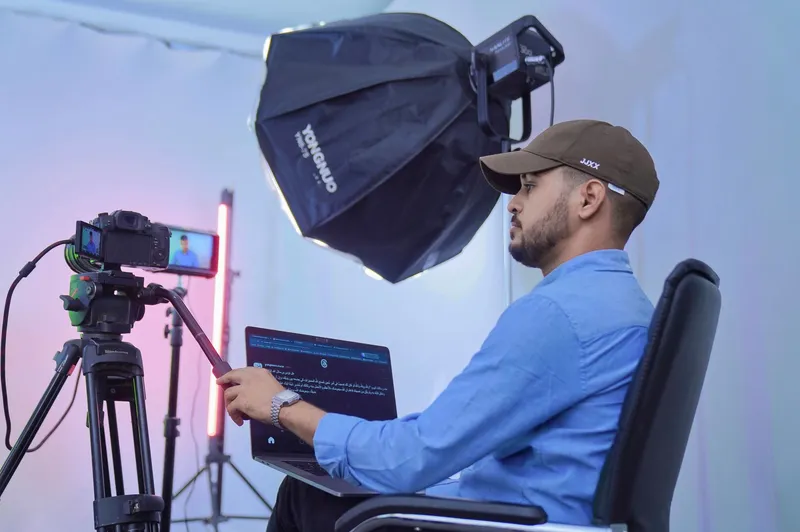
A camera operator filming in a video production studio

Photo: Ben Khatry / Pexels

Founder-Led
Every audit reviewed directly by Elvis Ekoigiawe
15+ years
Operating since 2011
90+
Clients served
Fit Check

Who YouTube Video SEO Is Actually Built For

  • A business or creator with existing video content that's never had a proper metadata or retention audit
  • A business planning new video content and wanting search-intent research done for YouTube specifically, not reused Google keyword data
  • A channel with real YouTube Analytics history we can audit, this service is grounded in your actual watch-time and retention data, not guesswork
  • Not a video production service, we don't film, edit, or script; if you need that too, we'd scope it as a separate, coordinated piece
Delivery Framework

How We Deliver YouTube Video SEO

A structured, milestone-driven execution methodology, not a generic checklist reused across every service.

01

Channel & Video Audit

We review existing video titles, descriptions, tags, thumbnails, and available YouTube Analytics data (watch time, click-through rate, audience retention) to identify what's actually holding your channel's discoverability back.

02

Keyword & Search Intent Research

Using YouTube's own search suggestions and available keyword data, we identify what your target audience is actually searching for on YouTube specifically, which often differs meaningfully from what they search on Google web search for the same topic.

03

Metadata & On-Video Optimization

Titles, descriptions, tags, and thumbnails get optimized around researched target terms and click-through psychology, plus structural elements (chapters, closed captions) that support both discoverability and audience retention.

04

Retention & Engagement Strategy

Because watch time and retention are core ranking signals for YouTube specifically, we advise on pacing and structural choices (not scripting or filming) that support retention, since a well-optimized title that doesn't hold viewers still underperforms.

What's Included

Every YouTube Video SEO Engagement Includes

Channel & video audit

A specific, data-grounded picture of what's holding your channel's discoverability back, not a generic checklist applied without reviewing your actual performance.

Search intent research

Target terms identified using YouTube's own search suggestions and available data, reflecting what your audience actually searches for on the platform.

Optimized metadata & thumbnails

Titles, descriptions, tags, and thumbnails updated around researched terms and click-through psychology, plus chapters and closed captions.

Retention-focused structural advice

Pacing and structural recommendations that support audience retention, since a well-optimized title on a video that loses viewers still underperforms.

YouTube SEO, optimized for YouTube’s own algorithm

If you’ve been applying the same SEO checklist to your YouTube videos that you’d use for a website, keyword-stuffed titles, generic descriptions, you’ve likely made your videos perform worse, not better. YouTube SEO and Google web-search SEO are genuinely different disciplines, even though they share the word “SEO.” YouTube’s own recommendation and search algorithm weighs watch time, click-through rate, and audience retention heavily, signals tied to how the platform keeps viewers engaged, alongside title, description, and tag relevance. Google web search weighs backlink authority, crawlability, and page-level content depth more heavily. Optimizing a video purely with web-SEO thinking (keyword-stuffed titles, generic descriptions) misses what actually drives YouTube’s specific ranking behavior and can actively hurt performance by producing a title that reads as spam rather than a genuine reason to click.

Why watch time and retention matter more than keywords alone

YouTube’s core business incentive is keeping viewers on the platform watching content, which is why its algorithm weighs watch time and audience retention so heavily, a video that earns clicks through a compelling title and thumbnail but loses viewers within the first thirty seconds tends to get recommended less than a video with a modest click-through rate but strong retention through to the end. This is a meaningfully different optimization target than classic web SEO, where a page can rank well on content relevance and backlink authority even if a visitor only skims it briefly before leaving.

What we actually do

Channel & Video Audit

Existing titles, descriptions, tags, thumbnails, and YouTube Analytics data reviewed to find what's actually holding discoverability back.

YouTube-Specific Keyword Research

What your audience searches for on YouTube itself, which often differs meaningfully in phrasing and intent from the same topic on Google web search.

Metadata & Thumbnail Optimization

Titles, descriptions, tags, and thumbnails optimized around researched terms and click-through psychology, plus chapters and captions.

Retention & Engagement Strategy

Structural advice on pacing and video structure that supports watch time and retention, the signals YouTube's algorithm weighs most heavily.

This is why YouTube SEO work here includes retention-supporting structural advice, pacing, chapter placement, how a video’s opening moments are structured to hold attention, not just metadata optimization. A perfectly keyword-optimized title and description on a video that loses most of its audience in the first minute will still underperform, because the retention signal actively works against it regardless of how well the surrounding metadata is optimized.

What this service doesn’t include

Being specific about scope: this is discoverability optimization, not video production. We don’t film, edit, or script your content, if you need production help alongside SEO, that’s a separate conversation we’d scope distinctly, since production and discoverability optimization are different skill sets requiring different resourcing. We’d rather be clear about this boundary upfront than blur it and under-deliver on either side of the engagement.

How YouTube search intent differs from Google search intent

This distinction is worth explaining concretely because it directly shapes keyword strategy. Someone searching Google for “how to fix a leaking tap” might be looking for a text-based step-by-step guide, a forum discussion, or a product page for a replacement part, a mix of intents Google’s results reflect with a variety of content types. Someone searching that same phrase on YouTube specifically wants to watch someone perform the fix, which is a narrower, more specific intent: demonstration and visual instruction. This means YouTube keyword research isn’t simply reusing Google keyword data on a video page, it requires understanding which of your topics actually have real “I want to watch this” demand versus topics people would rather read about, a distinction covered in more depth in Google Search Central’s video SEO guidance.

This also affects title and thumbnail strategy: a Google search result’s title needs to earn a click among a list of blue links; a YouTube title and thumbnail combination competes visually in a grid of other videos, where the thumbnail often does more work than the title text alone in earning that click. Optimizing one without the other, a strong title with a weak, generic thumbnail, or vice versa, leaves click-through performance on the table regardless of how well-researched the underlying keyword targeting is.

Common mistakes we fix on underperforming channels

A recurring pattern on channels we’re asked to improve: titles written for keyword-stuffing rather than genuine click appeal, cramming multiple target terms into an awkward, unnatural title that reads as spam rather than a compelling reason to click. Generic, boilerplate descriptions, the same few sentences pasted across every video with no video-specific detail, waste an opportunity, since YouTube’s system does read description content for relevance signals, and a description that’s actually about the specific video content performs better than a repeated template.

Ignoring existing back-catalog content entirely is another common gap, channels that optimize new uploads going forward but never revisit older videos that might have real, recoverable search demand if their metadata were updated. No engagement with YouTube Analytics data at all is the deepest gap, decisions made purely on instinct or general best-practice articles rather than the channel’s own actual retention and click-through data, which is the single most specific, actionable information available for improving that particular channel’s performance and is usually sitting unused in an account nobody’s reviewed closely. The YouTube Creator Academy is a solid independent primer on how the recommendation system actually works, if you want to go deeper than what’s covered here. If paid placement alongside this organic work is also relevant, see our YouTube Ads page.

Start With the Channel Audit

We’ll need access to your YouTube Analytics to give you an accurate picture of what’s actually happening with your existing content before recommending anything, guessing from public view counts alone leaves out the retention and click-through data that actually explains why a video is or isn’t performing.

The Real Difference

What Makes This Different From a Generic YouTube Video SEO Package

Grounded in your actual Analytics data

Recommendations come from your channel's real watch-time, click-through, and retention data, not instinct or a generic video-marketing checklist.

No viral growth promises

YouTube's recommendation algorithm involves factors genuinely outside any optimizer's control, we set honest expectations about discoverability, not a subscriber-count guarantee.

Back-catalog included, not just new uploads

We assess which older videos have real, recoverable search demand if their metadata were updated, rather than only optimizing what you upload going forward.

Transparent Scoping

How We Price YouTube Video SEO

We don't publish a flat package price, because a flat price for every client would mean either overcharging the simple engagements or underscoping the complex ones. What we do instead: a free audit first, then a written quote based on what your site and market actually require. No cookie-cutter tiers, no hidden fees added after you've signed.

Cost depends on how many videos and how much existing channel history need optimization, plus ongoing versus one-time scope.

Channel size & back-catalog

A channel with years of unoptimized uploads requires more audit and optimization effort than a new channel starting with a clean slate.

Ongoing vs. one-time scope

A single optimization pass on existing videos is a different engagement than ongoing optimization applied to every new upload.

Language & audience research depth

Keyword and search-intent research done in the language your audience actually searches in adds scope beyond a single-language English audit.

Get a Free Audit & Written Quote No obligation. No sales script.

Outside Nigeria?

We deliver youtube video seo for international clients too

English-fluent, senior-led delivery for businesses in Europe, North America, and beyond, backed by real platform builds for clients in Geneva, Amsterdam, and London.

See International Client Work →
Direct Answers

Frequently Asked Questions: YouTube Video SEO

How It Works

Is YouTube SEO different from optimizing my website for Google?

Yes, meaningfully, YouTube's own search and recommendation algorithm weighs watch time, click-through rate, and audience retention heavily, alongside title and description relevance, which are different priority signals than Google web search's emphasis on backlinks, crawlability, and page-level content depth. We optimize specifically for YouTube's own system, not a web-SEO checklist applied to a video page.

What's the single biggest factor in YouTube ranking?

Watch time and audience retention are widely understood to carry significant weight in YouTube's recommendation system, since the platform's core business incentive is keeping viewers watching, a video that gets clicks but loses viewers quickly tends to underperform a video with a modest click-through rate but strong retention, all else equal.

Do thumbnails actually matter for SEO, or just clicks?

Both, thumbnails directly affect click-through rate, which is itself a ranking signal YouTube's algorithm weighs, so a thumbnail's design isn't purely a cosmetic choice but a functional part of the optimization, connected to how the video performs in search and recommendation placement.

Do keyword research tools built for Google web search work for YouTube?

Not directly, YouTube search behavior and suggested-search patterns differ from Google web search for the same topic, since people search YouTube specifically when they want video content (tutorials, reviews, demonstrations), which skews toward different phrasing and intent than a typical Google text search.

How does YouTube SEO relate to your general SEO service?

They're related disciplines (both grounded in real keyword and search-intent research) but distinct in execution, since YouTube's ranking system and content format differ substantially from web page SEO. Businesses using both video and web content often benefit from coordinating the two, but each requires its own platform-specific approach.

How is 'YouTube SEO' different from running YouTube Ads?

YouTube SEO is organic discoverability work with no direct media spend; YouTube Ads (see our dedicated service) is paid placement. They can complement each other, an ad campaign driving initial views and engagement can indirectly support a video's organic performance signals, but they're distinct disciplines with different cost structures.

Cost & Timeline

How much does YouTube SEO cost?

Cost depends on how many videos and how much existing channel history need optimization, plus ongoing versus one-time scope. We scope this after the channel and video audit, since a channel with years of unoptimized back-catalog content requires different effort than optimizing new uploads going forward.

How long does it take to see results from YouTube SEO?

This varies significantly based on channel history, upload frequency, and topic competitiveness, a newly optimized video can start gaining traction within days if the topic and metadata are well-matched to real search demand, while building a channel's overall authority and recommendation-algorithm favor typically takes sustained, consistent effort over months.

Specific Situations

Do you film or edit the video content itself?

No, this service covers discoverability optimization (titles, descriptions, tags, thumbnails, metadata) and retention-supporting structural advice, not video production, filming, or editing. If you need video production as well, that's a separate conversation we'd scope distinctly from the SEO optimization work.

Can you help if I already have videos uploaded with no SEO work done?

Yes, existing video titles, descriptions, and tags can be updated retroactively, and we'd assess during the channel audit which back-catalog videos are worth the optimization effort based on their existing performance and topical relevance, rather than treating every past upload as equally worth revisiting.

Can you optimize videos in Nigerian languages, not just English?

Yes, keyword and search-intent research is done in the language your target audience actually searches in, since YouTube's discovery system responds to the actual language and phrasing used in titles, descriptions, and captions, not just English regardless of your audience's actual search behavior.

What YouTube Analytics data do you need access to?

Access to your channel's YouTube Analytics (watch time, click-through rate, audience retention, traffic sources) is important for an accurate audit, since these metrics reveal what's actually happening with your existing content rather than us guessing from public view counts alone, which don't tell the full story.

Is YouTube SEO worth it for a small or new channel?

Yes, arguably more so, a new channel benefits from starting with properly optimized metadata and topic selection from the first upload, rather than accumulating years of unoptimized content that later needs retroactive cleanup, which is a more time-consuming process than building good habits from the start.

Can a well-optimized YouTube video help my website's Google SEO too?

Sometimes indirectly, an embedded, well-performing video can improve time-on-page and engagement signals on the web page hosting it, and YouTube videos themselves can rank directly in Google web search results for certain query types, but this is a secondary effect, not the primary goal of YouTube-specific optimization.

What if my content is genuinely niche with very little search volume on YouTube?

We'll tell you honestly if a topic has very little searchable YouTube demand, similar to how we handle any low-volume category across our services, niche content can still perform well through recommendation-algorithm discovery rather than direct search, but the optimization approach shifts accordingly, and we'd explain that difference during the audit.

Choosing a Provider

How do I choose a YouTube SEO services provider?

Ask whether they'll need access to your channel's actual YouTube Analytics, a provider optimizing purely from public view counts is missing the watch-time and retention data that actually explains channel performance. That access requirement is a good sign they work from real data, not guesswork.

Is Digital Elixir the best YouTube SEO provider for a small channel?

We're a strong fit for a channel with real Analytics history to audit and genuine topic-market fit, we're upfront when a topic has very little searchable YouTube demand rather than promising growth we can't back with real data.

Ready to talk through youtube video seo?

Schedule a direct 45-minute session with Elvis Ekoigiawe, not a salesperson reading from a script.

  • We'll ask about your actual current setup and goals, not run a generic sales script
  • You'll leave with a specific, honest read on whether this service actually fits your situation
  • No pressure to commit on the call. If it's not a fit, we'll tell you directly